Posted on 2026-03-20
Blocked drain in Portsmouth? Here's what to do before calling a plumber
Facing a blocked drain can be frustrating, but several DIY methods might resolve the issue before professional help is needed. Try these practical solutions first to potentially save time and money on your Portsmouth property.
Initial Assessment and Safety Checks

Identify the type and location of blockage
Before attempting any remedies, determine whether you're dealing with a kitchen sink, bathroom drain, or external drain blockage. Kitchen blockages typically involve grease and food particles, while bathroom drains often suffer from hair and soap buildup. External drains around Portsmouth properties frequently block due to leaves, debris, or collapsed pipes. Check if multiple drains are affected, as this might indicate a main sewer problem requiring immediate professional attention. Note any unusual smells or gurgling sounds, which can help identify the severity and location of the obstruction.
Safety precautions and protective equipment
Always wear rubber gloves and eye protection when dealing with blocked drains, as stagnant water can harbour harmful bacteria. Ensure adequate ventilation, especially when using chemical products or working in confined spaces. If you smell gas or sewage, evacuate the area immediately and contact Portsmouth Plumbers on 0XXXX XXX XXX. Never mix different cleaning chemicals, as this can create dangerous fumes. Keep pets and children away from the work area, and have clean towels ready for cleanup. If water has backed up significantly, consider the electrical safety of nearby appliances and switches.
Simple DIY Methods to Try First
Hot water and washing up liquid technique
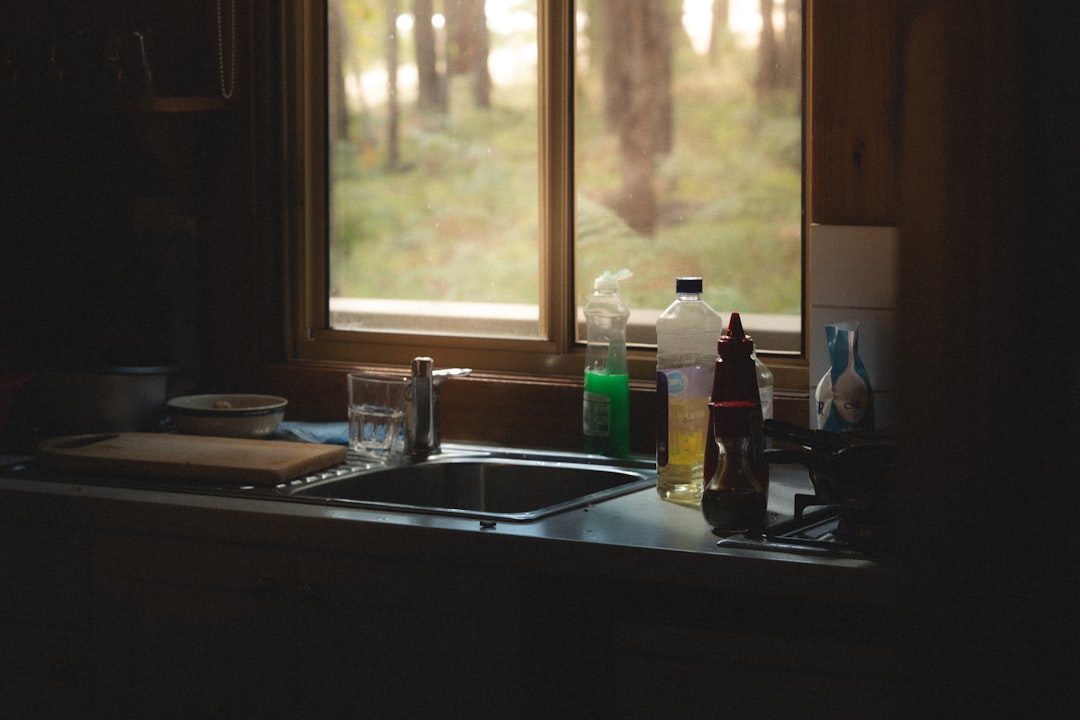
Pour a kettle of boiling water slowly down the drain in two to three stages, allowing time between pours for the water to work. Follow with a generous squeeze of washing up liquid and another kettle of hot water. This method works particularly well for grease-based blockages common in Portsmouth kitchen sinks. The hot water melts fat deposits while the detergent helps break down greasy residues. Avoid this method with PVC pipes, as boiling water can damage joints. Wait 15-20 minutes before testing with cold water to see if drainage has improved.
Baking soda and white vinegar solution
Pour half a cup of baking soda down the drain, followed by half a cup of white vinegar. Cover the drain immediately with a damp cloth or plug to contain the fizzing reaction. Leave for 30 minutes before flushing with hot water. This natural method effectively breaks down organic matter and soap scum without harsh chemicals. The reaction creates pressure that can help dislodge minor blockages. For stubborn clogs, repeat the process twice. This environmentally friendly approach is particularly suitable for Portsmouth homes with older drainage systems where aggressive chemicals might cause damage to pipes.
Plunger technique for different drain types
Use a cup plunger for sinks and a flange plunger for toilets, ensuring you have the right tool for the job. Create a seal around the drain opening and plunge with steady, firm motions rather than aggressive jabbing. For bathroom sinks, block the overflow hole with a damp cloth to increase suction pressure. Kitchen sinks may require removing the plug or strainer first. Maintain consistent pressure for 15-20 plunges before testing drainage. If water begins moving but drainage remains slow, repeat the process. This mechanical approach often succeeds where chemical methods fail, particularly for hair blockages common in Portsmouth bathroom drains.
When DIY Methods Aren't Working
Warning signs that indicate professional help needed
Multiple drains backing up simultaneously suggests a main sewer blockage requiring specialist equipment and expertise. Persistent bad odours, even after clearing visible blockages, may indicate deeper pipe damage or sewage backup issues. Water rising in toilets when using other fixtures, or sewage appearing in unexpected places, demands immediate professional intervention. Recurring blockages within days or weeks of clearing indicate underlying structural problems. If you've tried several DIY methods without success, continuing could potentially worsen the situation or damage pipes, making professional repair costs higher.
Understanding the limitations of DIY approaches
Tree root intrusion, collapsed pipes, and severe limescale buildup require professional drain cleaning equipment and expertise that homeowners cannot access. Portsmouth's older properties often have complex drainage systems with cast iron or clay pipes that need specialist knowledge to navigate safely. Chemical drain cleaners can damage certain pipe materials and may not reach deep blockages effectively. Without proper diagnostic tools, you might miss the actual cause of drainage problems, leading to temporary fixes rather than permanent solutions. Professional assessment can identify multiple issues simultaneously, saving money on repeated callouts.
Professional Drain Unblocking Services
What to expect from professional drain cleaning
Portsmouth Plumbers uses high-pressure water jetting and specialist drain cameras to accurately diagnose and clear blockages efficiently. Professional equipment can reach blockages up to 100 metres away and remove stubborn deposits that household methods cannot tackle. Drainage specialists can identify underlying causes such as pipe damage, root intrusion, or structural issues during the clearing process. Most professional drain clearing services cost between £89-£180 depending on complexity and location. Emergency same-day service is available for urgent blockages, while routine clearing can typically be scheduled within two working days.
Long-term prevention and maintenance advice
Professional drain cleaning often includes advice on preventing future blockages through proper waste disposal and regular maintenance routines. Installing drain guards, avoiding disposal of grease down sinks, and regular hot water flushing can significantly reduce blockage frequency. Annual drain inspections can identify potential problems before they become expensive emergencies. Many Portsmouth properties benefit from quarterly drain maintenance, particularly older homes with mature trees nearby. Professional services offer guarantees on their work, typically 90 days standard coverage, providing peace of mind that the problem has been properly resolved rather than temporarily masked.